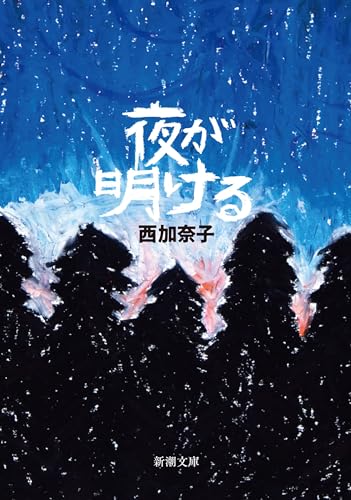
読みました。
天皇制が戦後制定された日本国憲法に組み込まれた期待。それは権力に対する抑止力という形で民主主義が暴走することへの均衡として仕組み化された。ただし、そこにはおおきなねじれがある。それは、平和の象徴的な存在である天皇が、昭和20年以前は、戦争の最高権力者だったこと。つまり、先の戦争を二度と起こさない、という加害者としての責任が曖昧にされたまま、ある日を境に平和を希求する存在へと消化された。
他方で、この矛盾をはらんだ天皇という存在が、長期政権を築いた安倍政権の暴走への抑止力と機能した事実がある。国民が当時主体的に望んだとは言い切れない天皇制に救われている現状に対して、著者は天皇への敗北、つまり、自分たちで民主主義を成熟できなかったことへの悔恨として述べている。
本書を貫くキーワードはねじれだ。このねじれを解く鍵はごまかさないで見つめる、という姿勢だ。そして、それを支えるのに必要な知識の一つとして、加害者臨床が紹介される。被害者意識が抜けない加害者に対して、批判のみで追求するとかえって被害者意識が増幅されてしまう、ということだ。この態度を実現する特効薬はない。これは、我々が被害者ではなく、加害者のみであったというわけでなく、両者であったと考えられるが、加害者であったことを反省するためには、被害者であったことを持ち出して議論を始めると責任の所在がねじれる、ということだ。我々には、いつもどこか被害者めいたものがあり、それ故に80年もの間、目を背け続けてきたのだ、ということを突きつけられる。

There has been an expectation for the imperial system in Japan. It was expected to serve as deterrance against power to ensure that democracy will not be out of control.
In Japan, however, there has been a crucial twist there. The underlying cause is that the emperor that is positioned as a symbol of peace was the decision maker of wars.
In other words, the responsiblity to the WWII has remained ambiguous, but it has been designated as a figure of peace.
This contradictory existence, however, deterred against power. During the period of the administration under the PM Abe did a lot arbitrary, some of which was prevented by this imperial system. This means that our democracy defeated against the emperor due to the immatuarity of democracy.
The key word consist in the book is twisted perception. In order untangle it, looking at the fact without looking away is important. And this is supported by the knowledge from the clinical psychology for offenders. This explains that criticism may amplify the victim consciousness if it is deeply ingrained in a person. This is the case for nations.
There is no panacea for this phenomenon. This can provide us with explanation why we have overlooked what we did in the past for 80 years.